How Often Should You Repaint Your House in West Texas?
· Luxeline Painters
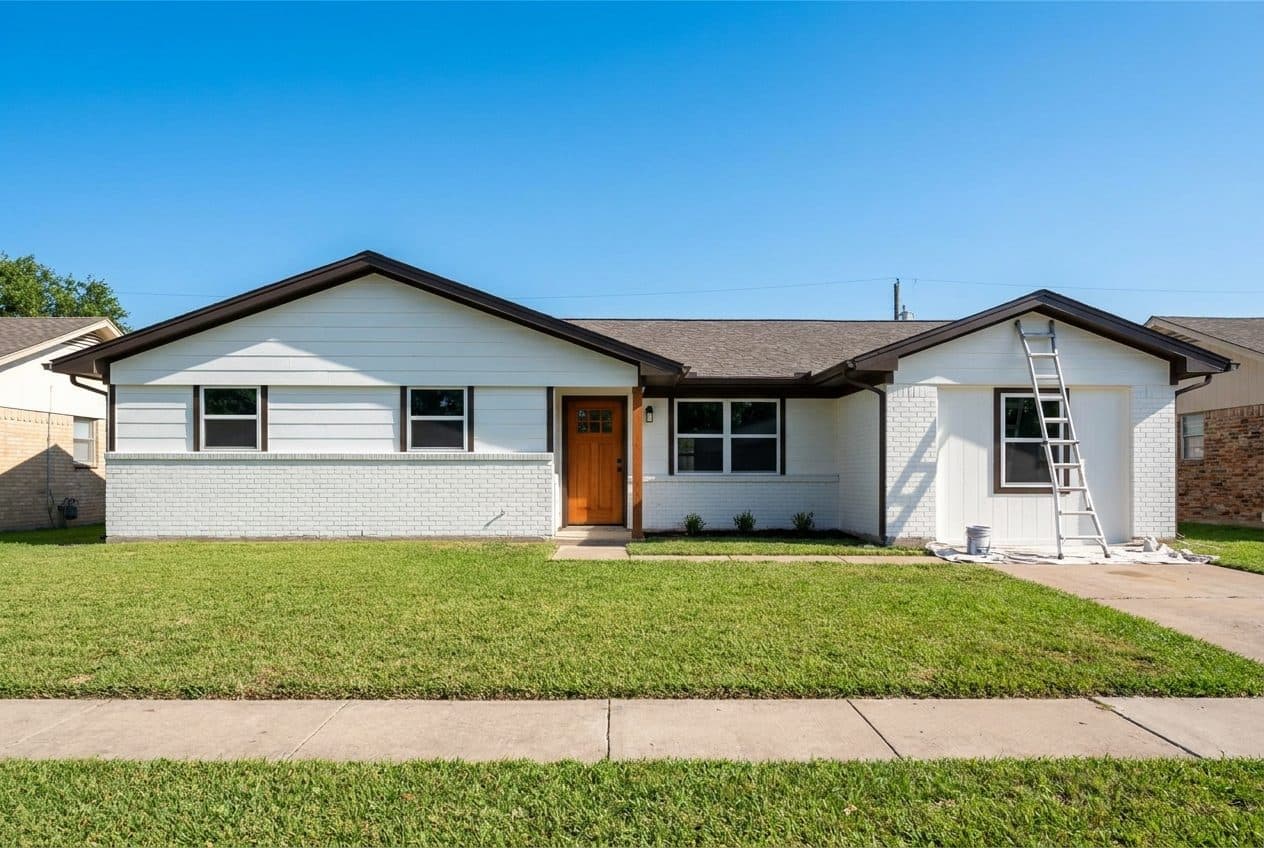
There is no single repainting schedule that fits every house. How long a paint job lasts depends on the surface, the preparation, the product, the exposure, and how the home is used. A better approach than counting years is to know what wears paint out here and to check for the signs.
Sun is the main clock for exteriors. Ultraviolet light breaks down the binder in paint, which shows first as fading and then as a chalky powder on the surface. West Texas gets a great deal of strong, direct sun, so walls that face south and west age faster than the shaded sides of the same house.
Wind and dust add wear. Blowing grit dulls the finish over time and settles into joints, sills, and the laps of siding. Dust that sits on the wall holds moisture after rain and dew. Houses on open lots at the edge of town, with nothing to break the wind, usually take more of this than homes sheltered by trees and neighbors.
Temperature swings and hail open the coating. Siding and trim expand in afternoon heat and contract on cold nights, and that movement cracks old caulk and brittle paint. Hail chips paint to bare wood. Each crack or chip is a way in for water, and water under paint is what turns fading into peeling.
The material under the paint matters. Wood siding and trim move the most and need attention soonest, especially horizontal surfaces such as sills and the tops of railings. Fiber cement, stucco, and brick hold paint longer when they are prepared and coated properly. Stained decks and fences weather faster than painted walls because foot traffic and standing water work on them.
The last paint job sets the starting point. Paint applied over a washed, scraped, primed, and caulked surface lasts much longer than the same paint applied over chalk and loose flakes. A quality exterior product applied at proper thickness outlasts a thin coat of a bargain product. If you do not know how the previous job was done, let the condition tell you.
Learn the exterior warning signs. Look for chalk that comes off on your hand, fading that is uneven from side to side, hairline cracks in the paint, peeling or flaking, bare or gray wood, cracked or missing caulk, and dark stains where water runs. Check the sunny sides, the lower edges of siding, window sills, and fascia boards first.
Repaint before failure, not after. Paint that is faded and chalky but still attached can be washed and recoated with modest prep. Once it is peeling and wood is exposed, the job needs scraping, sanding, priming, and sometimes board replacement. Acting at the first stage is less work and protects the siding itself.
You may not need to do the whole house at once. It is common for the south and west walls and the trim to need repainting while the shaded sides are still sound. Repainting the worn sides, or the trim alone, can be a reasonable step if the color can be matched. An honest estimate will say which sides need work now.
Interiors wear from use, not weather. Hallways, stairwells, kitchens, bathrooms, and children's rooms collect scuffs, handprints, and moisture and need repainting sooner than a guest room or a formal dining room. Ceilings usually last the longest. Homes with pets, young children, or frequent guests go through wall paint faster.
Watch for the interior signs. Marks that no longer wash off, shiny patches from repeated scrubbing, touch-ups that show, cracks at corners and along trim, stains from an old leak, and yellowed trim all suggest it is time. Plenty of interior repaints happen for another reason entirely: the color is dated or you want a change.
Sheen and product choice affect how long interior paint looks good. A washable finish in busy rooms lets you clean marks instead of repainting. Flat paint in a hallway will look worn sooner than eggshell or satin. Choosing the finish for the way a room is used stretches the time between repaints.
Simple upkeep adds life. Outside, rinse dust off the walls, keep sprinklers off the siding, clear gutters, and re-caulk open joints as they appear. Inside, wipe marks early with a soft cloth and keep some leftover paint labeled for touch-ups. If you are unsure where your house stands, a free on-site estimate includes a look at each side and an honest opinion on timing.
Get a free painting estimate
Serving Amarillo, Lubbock & DFW. No-pressure, fast turnaround.